
Sheesham Wood vs Acacia Wood: Which Is Best for Custom Furniture in Bangalore?
Sheesham vs. acacia wood: which holds up longer in Bangalore's climate? A clear comparison of durability, cost, and maintenance — plus why AAF builds in sheesham and teak.
Meera Nair · Materials & Finishes Specialist · Published
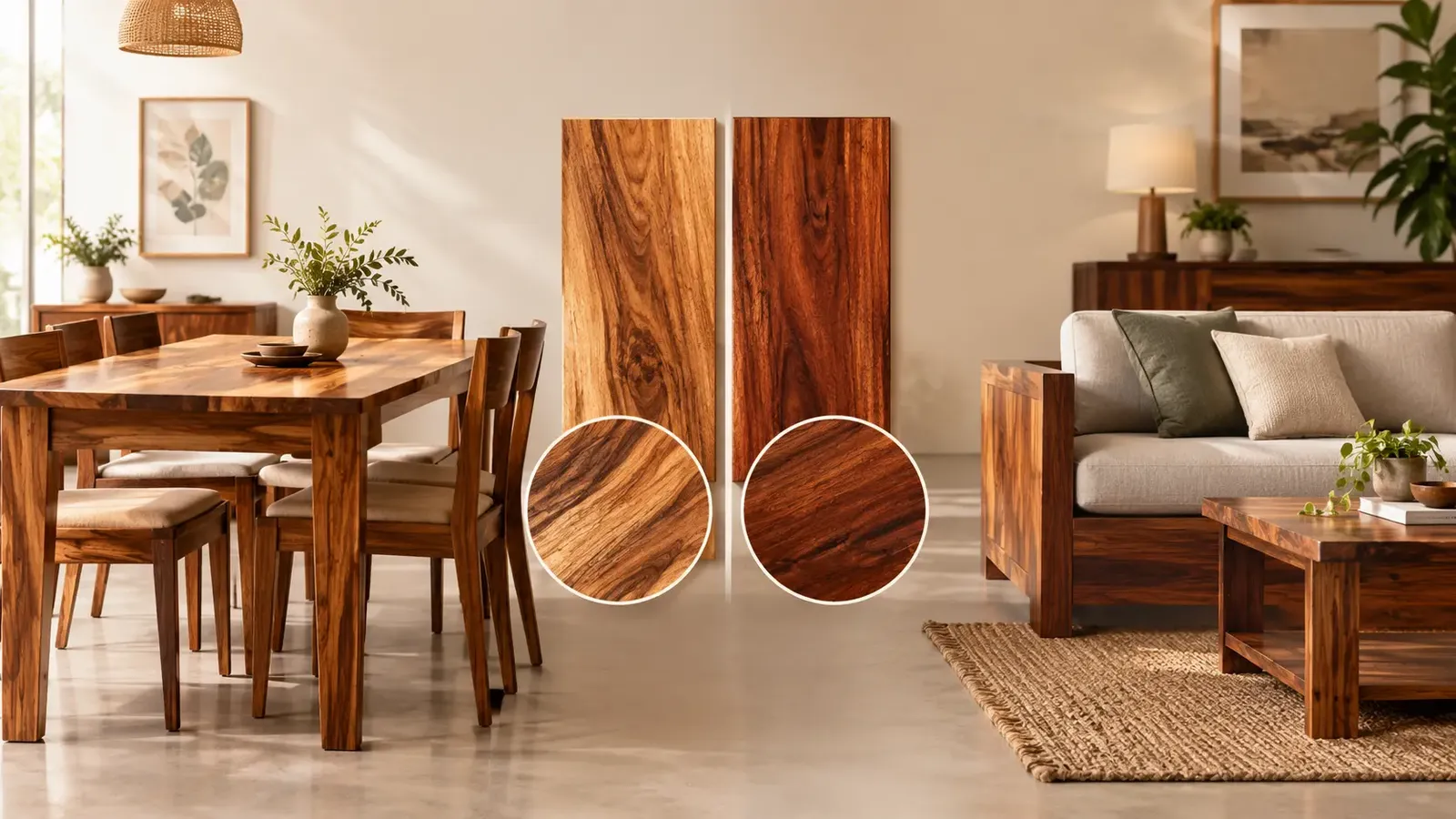
Choosing between acacia wood and sheesham wood isn't just a matter of colour or grain — it's a decision that shapes how your furniture holds up over the next 5 to 10 years, especially in a city like Bangalore where humidity swings between dry heat and monsoon months. Both are genuinely good hardwoods, but they're built for different jobs: acacia grows fast and handles moisture well from the outside in, while sheesham resists termites and decay from the inside out, which matters more for furniture that stays in one place for years.
This guide breaks down sheesham wood vs acacia wood across durability, appearance, workability, maintenance, and real cost in India — and explains why AAF, a custom furniture maker in HSR Layout and Bommanahalli, builds sofas, dining tables, and beds in sheesham and teak rather than acacia. If you're weighing a custom sofa, dining table, or bed for a Bangalore home, this is the material decision that comes before every other one.
Key Takeaways
- Sheesham and acacia are both hardwoods, but they age differently indoors — sheesham resists termites naturally without treatment; acacia is more water-resistant but fades and can warp with prolonged heat or direct sun
- AAF builds sofas, dining tables, and beds in sheesham and teak, not acacia — this guide explains the reasoning, not just the specs
- Acacia costs less upfront because it matures in 1–2 years versus sheesham's 5–6 years; sheesham typically runs 20–35% more but holds up better over a 5+ year lifespan
- For dining tables and beds — furniture that stays in one place for years — sheesham's density and natural termite resistance make it the stronger long-term choice in Bangalore's humidity
- A warranty is only meaningful on wood that ages predictably; this is part of why AAF backs solid wood builds with a 5-year craftsmanship warranty on sheesham and teak, not on every material equally
Quick Comparison: Sheesham vs Acacia Wood
Feature | Acacia Wood | Sheesham Wood |
Origin | Africa, Australia, parts of Asia | Native to the Indian subcontinent |
Janka hardness rating | ~2,345 lbs | ~1,820 lbs |
Growth time to maturity | 1–2 years | 5–6 years |
Termite resistance | Moderate — usually needs chemical treatment | High — naturally resistant |
Water/humidity resistance | Good, especially untreated | Moderate — best suited indoors |
Grain and colour | Wavy or interlocked grain; light to dark brown with streaks | Pronounced straight grain; reddish-brown with darker streaks |
Workability for custom carving | Moderate — hardness can dull tools | High — favoured for detailed, traditional carving |
Typical cost in India (relative) | Lower | 20–35% higher than acacia for a comparable piece |
Maintenance needs | Periodic treatment against heat/sun fading | Occasional polishing; low ongoing upkeep indoors |
Best suited for | Outdoor or semi-outdoor pieces, coffee tables | Dining tables, beds, sofas, daily-use furniture |
What Is Acacia Wood?
Acacia wood comes from acacia trees grown widely across Africa, Australia, and parts of Asia. It's dense, fast-growing — reaching furniture-ready maturity in as little as 1 to 2 years — and naturally resistant to moisture, which is why it shows up often in outdoor and semi-outdoor furniture. Its grain ranges from light to dark brown with wavy or interlocked streaks, so no two pieces look quite alike. Acacia takes stain and polish well, which is part of why it's popular for contemporary, rustic-leaning furniture designs.
Where acacia falls short indoors is heat and prolonged sun exposure — left untreated, it can fade unevenly or develop slight warping over time, which matters more in a sun-facing balcony room than in a shaded living space.
What Is Sheesham Wood?
Sheesham, also called Indian rosewood, is native to the Indian subcontinent and has been the backbone of Indian furniture-making for generations. It's dense, takes polish to a rich, even finish, and — most importantly for furniture that's meant to last — naturally resists termites and decay without needing chemical treatment. That matters in a city like Bangalore, where humidity swings noticeably between the dry season and the monsoon months.
Sheesham is one of two core frame materials AAF uses across the custom furniture Bangalore customers order most often — sofas, dining tables, and beds in HSR Layout and Bommanahalli — precisely because it holds up to years of daily use without the maintenance overhead acacia requires.
Sheesham vs Acacia: The Detailed Comparison
Durability and Termite Resistance
Sheesham's natural termite resistance is the single clearest reason it outperforms acacia indoors over a multi-year lifespan. Acacia is a genuinely durable wood, but it typically needs a protective chemical treatment to match sheesham's resistance — and that treatment needs occasional reapplication, which most buyers don't budget for after the initial purchase.
This difference matters most for furniture that stays fixed in one place for years — dining tables and bed frames especially, where termite exposure through flooring or wall contact is a real long-term risk in older Bangalore buildings. It's also why a meaningful warranty is easier to stand behind on sheesham: AAF's 5-year craftsmanship warranty on solid wood builds reflects how sheesham and teak actually age under normal household conditions, not just how a piece looks on delivery day.
Grain, Appearance, and Custom Finishes
Sheesham has a richer, more pronounced grain with reddish-brown tones and darker natural streaks — a look that suits both classic Indian interiors and more contemporary spaces that want a warm, grounded wood tone. Acacia's grain is lighter and more variable piece to piece, which lends itself to a casual, modern aesthetic but with less consistency across a matched set.
Since every AAF piece is made to order, dimensions, fabric, and finish are all chosen per customer, but the underlying wood still sets the ceiling for how deep a stain can go and how the finish will age over years of sunlight and handling.
Workability and Detailed Carving
For custom, carved detailing — the kind that distinguishes a made-to-order piece from an off-the-shelf one — sheesham is generally the more forgiving material. Its grain responds well to intricate shaping without splitting, which is part of why it's favoured for traditional and semi-traditional Indian furniture designs. Acacia is workable too, but its hardness can dull tools faster and makes fine detail work slightly more demanding.
Maintenance in Bangalore's Climate
Bangalore's climate isn't as extreme as that of a coastal city, but the seasonal shift between dry heat and monsoon humidity still affects wooden furniture over multiple years. Acacia is more prone to fading and minor warping with prolonged heat or direct sun exposure unless it's treated and maintained. Sheesham is more dimensionally stable indoors and generally needs only occasional polishing to keep its finish looking new.
For furniture placed away from direct sunlight or an open balcony, both woods perform reasonably well in the short term — but sheesham requires less ongoing attention over a 5-to-10-year window in a typical Bangalore apartment or independent home.
Cost in India of Acacia and Sheesham Wood Furniture
Acacia furniture is generally the more affordable option, largely because acacia trees mature in 1 to 2 years compared to sheesham's 5 to 6 years — faster growth means more available supply at a lower cost. Sheesham typically costs 20 to 35% more for a comparable piece, a premium that reflects both the longer growth cycle and the wood's stronger long-term durability profile.
For a made-to-order piece, this material cost difference is one factor among several that shape the final price — size, fabric choice, and finish complexity also play a role, which is why AAF works through pricing individually for each custom order rather than publishing a single fixed rate.
What About Teak?
Teak is a third hardwood worth knowing about, and it's the second material AAF builds in alongside sheesham. Compared to acacia, teak has superior natural water and termite resistance — even better than sheesham in high-humidity conditions — which makes it a strong choice for both everyday indoor furniture and pieces in rooms that see more moisture, like spaces near a kitchen or an open window.
Teak generally costs more than both acacia and sheesham, but for a teak wood sofa Bangalore customers specifically request, the appeal is longevity: a well-maintained teak piece can outlast most other hardwood options by a meaningful margin. If you're still weighing solid wood options more broadly, our guide on solid wood vs engineered wood breaks down that separate but related decision in more depth.
Best Wood by Furniture Type
Furniture Type | Recommended Wood | Why |
Sofas | Sheesham or teak | Handles daily use, weight distribution, and frequent movement well |
Dining tables | Sheesham | Density holds up to daily wear, spills, and heat from serveware |
Beds | Sheesham | Termite resistance matters most for furniture that stays fixed in place for years |
Outdoor or semi-outdoor pieces | Acacia (treated) | Better natural water resistance for uncovered or partially exposed spaces |
Statement/carved pieces | Sheesham | Grain responds best to intricate detailing and traditional carving |
Why AAF Builds in Sheesham and Teak, Not Acacia
Acacia is a genuinely good wood for the right application — outdoor furniture, budget-conscious pieces, contemporary casual design. It just isn't what AAF chooses for made-to-order sofas, dining tables, and beds. The reasoning is straightforward: termite resistance and long-term dimensional stability matter more for furniture that's meant to last a decade or longer, and sheesham and teak deliver that more reliably in Bangalore's climate without needing ongoing chemical treatment.
Every custom furniture maker in HSR Layout and Bommanahalli makes its own material tradeoffs — this is ours, and it's a deliberate one. It's also why AAF backs every solid wood build with a 5-year craftsmanship warranty. To see how a piece actually goes from material selection to finished furniture in your home, our process walks through each step.
Frequently asked questions
Is acacia wood termite resistant?
Acacia has moderate natural termite resistance and typically needs additional chemical treatment to match woods like sheesham or teak, which resist termites reliably without treatment.
What are the disadvantages of acacia wood?
Acacia can fade or develop slight warping with prolonged heat or direct sun exposure, and it usually needs periodic treatment to maintain its termite resistance over time. It's also less consistent in grain and colour from piece to piece.
Is sheesham wood furniture available in Bangalore?
Yes — sheesham is one of the core materials used in custom sofas, dining tables, and beds built by Bangalore-based manufacturers, including made-to-order studios like AAF in HSR Layout and Bommanahalli.
Is acacia or mango wood better for furniture?
Both are lighter, more affordable hardwoods with distinct grain patterns, but neither matches sheesham or teak's natural termite resistance — which is why AAF doesn't build core furniture pieces in either.
Which wood lasts longer, sheesham or acacia?
Under normal indoor conditions, sheesham generally lasts longer due to its natural termite resistance and dimensional stability. Acacia can match that lifespan if properly treated and maintained, but requires more upkeep to get there.
Is sheesham wood good for a Bangalore climate?
Yes — sheesham's natural resistance to termites and decay makes it well suited to Bangalore's humidity swings betwwell-suited monsoon seasons, with minimal maintenance required beyond occasional polishing.
How much more expensive is Sheesham than acacia?
Sheesham typically costs 20 to 35% more than acacia for a comparable piece, reflecting its slower 5–6 year growth cycle and stronger long-term durability.
Keep reading
Materials
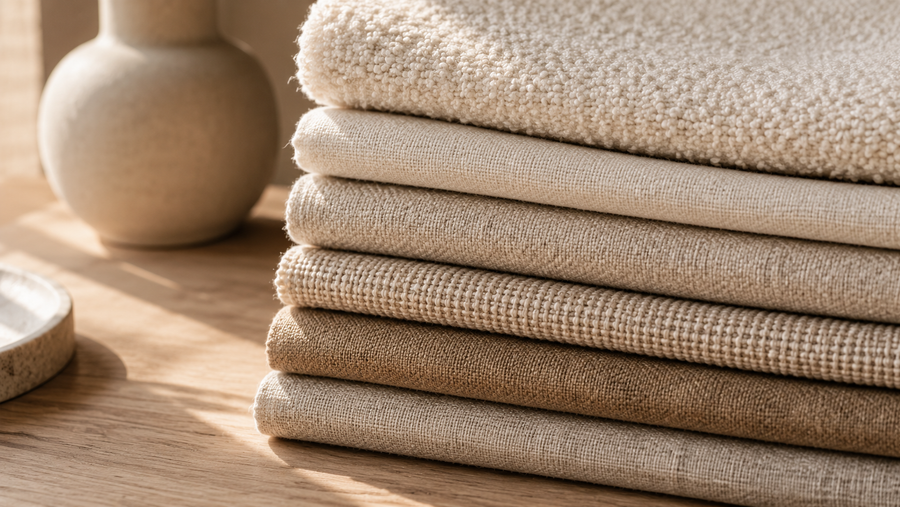
How to choose a sofa fabric that survives real life
The right sofa fabric balances three things: how it feels, how it looks after two years, and how much care you will honestly give it. Here is how we help clients choose.
Meera Nair ·
Materials
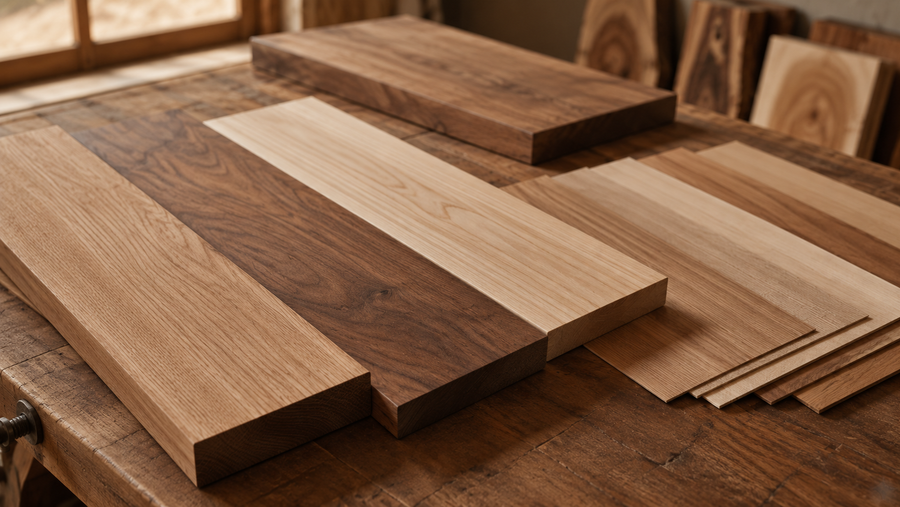
Solid wood vs engineered wood: what actually matters
Neither material is “better.” They solve different problems. Where solid wood earns its price, where engineered boards genuinely win, and how we combine them.
Meera Nair ·
Guides
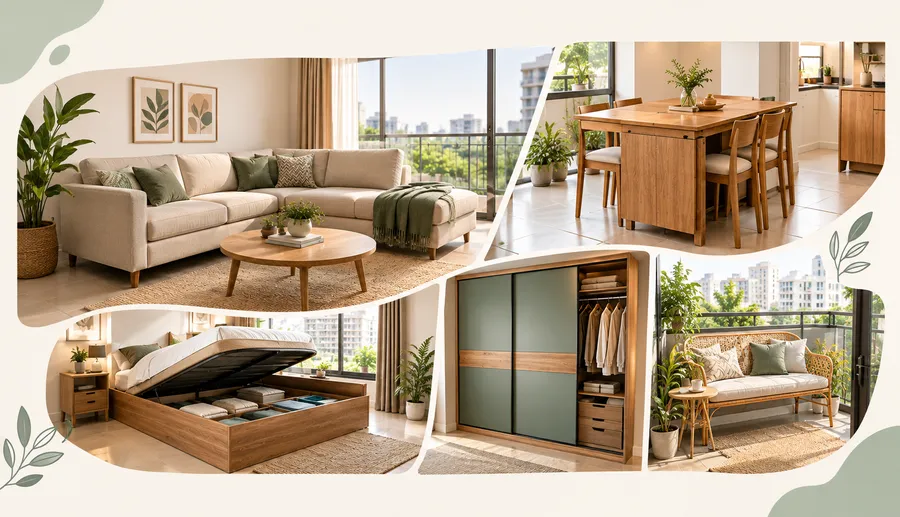
Space-Saving Furniture Ideas for Bangalore Apartments: A Custom-Fit Guide for Compact Homes
Most space-saving furniture is built for a room that isn't yours. Here's what actually works in Bangalore's 1BHK and 2BHK apartments — from storage beds to sliding wardrobes — and why sizing it to your exact space matters more than style.
Meera Nair ·
Thinking about a custom piece?
We design and craft furniture around your space, style and story.