
Fabric vs Leather vs Leatherette Sofa: Which One Actually Survives Daily Life?
Choosing between fabric, leather, and leatherette usually starts with looks. It should start with maintenance — here's what each one actually takes to live with.
Meera Nair · Materials & Finishes Specialist · Published · Updated
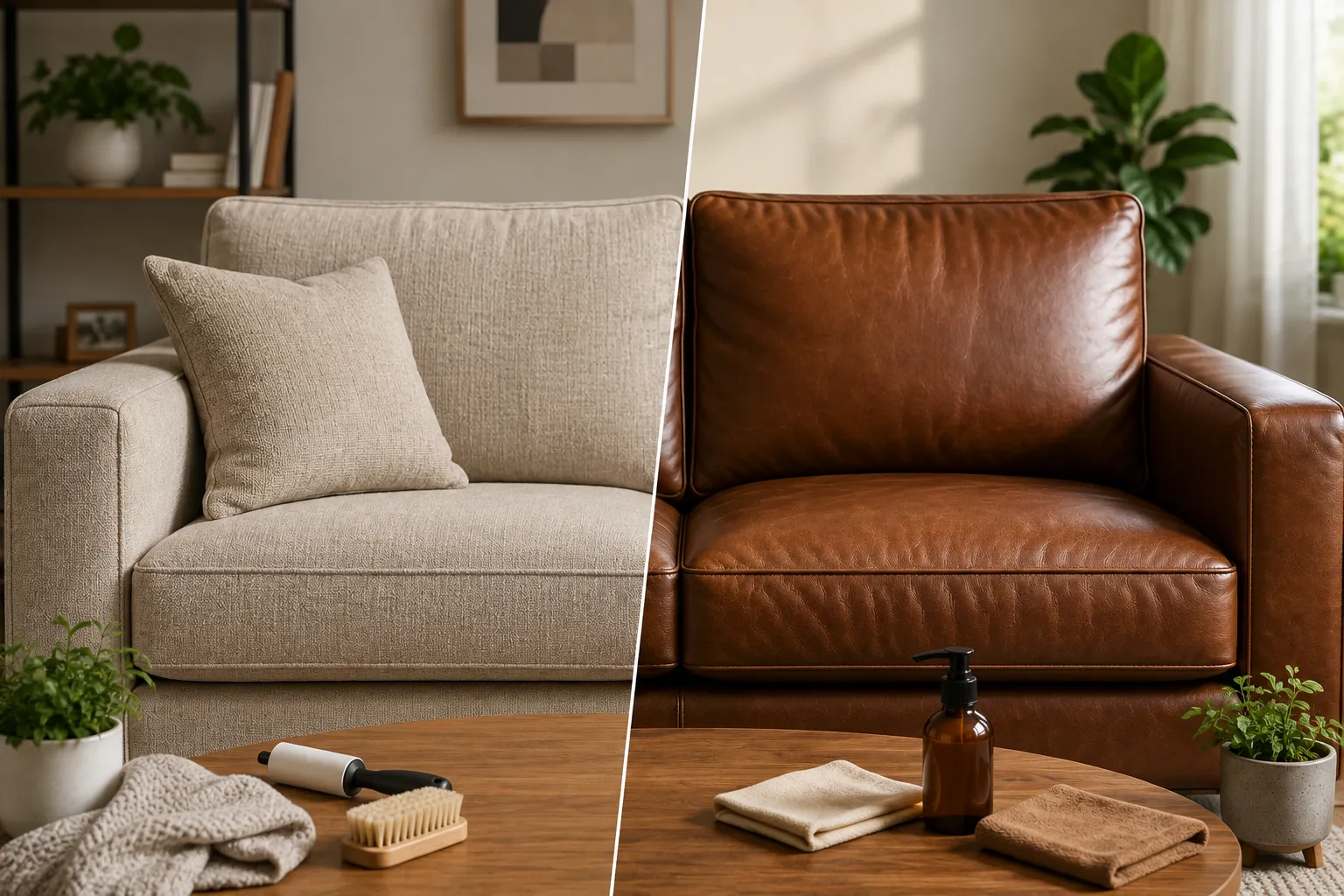
Most people choosing between fabric, leather and leatherette start with how each one looks and feels — then discover six months in that the real difference is how much upkeep each one actually demands. Whenever people compare leather sofa vs fabric sofa options side by side, maintenance is usually the factor they underweight until they're already living with the decision. This sofa material comparison starts with maintenance, because that's what determines whether you'll still love the sofa a year from now.
Quick Answer
Leather and good-quality leatherette are generally easier to maintain day-to-day than fabric, since spills wipe off the surface rather than soaking in. But "easier" isn't the same as "no maintenance" — leather needs occasional conditioning and careful product choice; leatherette can peel or crack over years if it's lower quality or exposed to heat; and fabric (especially a tightly woven, treated fabric) can be genuinely low-maintenance too if you're comfortable vacuuming regularly and treating stains promptly. The real answer depends on your household — pets, kids, climate, and how much weekly upkeep you're actually willing to do.
Factor | Fabric | Genuine Leather | Leatherette |
Everyday cleaning | Vacuum needed regularly | Wipe with a damp cloth | Wipe with a damp cloth |
Stain resistance | Depends on the fabric type and treatment | Good, if wiped promptly | Good, generally the best of the three |
Spill handling | Absorbs unless treated | Sits on the surface, wipes off | Sits on the surface, wipes off |
Deep cleaning | Often needs professional cleaning | Occasional conditioning | Rarely needed |
Pet hair | Sticks to weave, needs vacuuming | Wipes off easily | Wipes off easily |
Pet scratches | Can snag or pull threads | Can scratch or scuff | Can scratch, harder to repair |
Children | Absorbs spills, hides some stains | Wipes clean quickly | Wipes clean quickly |
Breathability | Generally good | Can feel warm in humid weather | Can feel warm, less breathable |
Durability | Varies widely by weave and quality | Ages well with care | Varies by grade, prone to peeling |
Maintenance frequency | Higher — regular vacuuming, spot treatment | Lower — periodic wiping and conditioning | Lower — regular wiping |
Aging | Can look worn if not treated | Develops a patina with proper care | Can crack or peel over years |
Repairability | Patchable, reupholsterable | Repairable by a professional | Difficult to repair once damaged |
Typical lifespan | Varies by fabric quality | Long, with proper care | Shorter than genuine leather, varies by grade |
Overall maintenance level | Medium to high | Low to medium | Low, with quality caveats |
Fabric vs Leather vs Leatherette: What Is the Difference?
Fabric sofas are upholstered in woven materials — cotton blends, linen-look weaves, velvet, or performance fabrics engineered for stain resistance. The weave and fibre matter more than the word "fabric" alone; a tightly woven performance fabric behaves very differently from a loose linen blend, even though both fall under the same broad category.
Genuine leather sofas use actual tanned hide, most commonly top-grain or full-grain leather. Genuine leather is breathable, develops a patina (a softening and slight colour deepening) with age and use, and is generally more expensive than fabric or leatherette because of the materials and craftsmanship involved.
Leatherette sofas are synthetic upholstery designed to resemble leather, typically made from PU (polyurethane) or PVC (polyvinyl chloride) coated onto a fabric backing. Leatherette is not leather — it's a distinct material with its own ageing pattern, generally more prone to cracking or peeling over time than genuine leather, though quality varies significantly between grades.
Fabric Sofa Maintenance
Short answer: Fabric sofas need more frequent, hands-on maintenance than leather or leatherette — regular vacuuming, prompt spill treatment, and occasional deep cleaning — but a good performance fabric can still be genuinely practical for daily family use.
Daily and weekly care means vacuuming to remove dust and pet hair before it works into the weave, since embedded dust and debris cause more visible wear over time than surface dust alone. Spills need attention immediately — blotting rather than rubbing prevents a spill from spreading and soaking deeper into the cushion fill.
How do you clean a fabric sofa?
- Vacuum the surface, including crevices between cushions, weekly.
- Blot fresh spills immediately with a clean, dry cloth — never rub.
- Check the manufacturer's cleaning code (usually a tag under the cushion) before using any cleaning product, since fabrics vary in what they tolerate.
- Spot-clean stains with an appropriate solution for that specific fabric type.
- Schedule professional deep cleaning periodically, particularly for lighter colours or high-use pieces.
Odour management is a real fabric-specific concern — fabric absorbs smells (cooking, pets, humidity) more than leather or leatherette, which is worth factoring in if the sofa sits near a kitchen or is used heavily by pets. What damages fabric most is a combination of untreated spills, direct sunlight fading the colour unevenly, and sharp claws pulling at loose weaves. If you're specifically weighing which weave and treatment level suit your household, our guide to choosing a sofa fabric covers that decision in more depth than a maintenance comparison can.
Leather Sofa Maintenance
Short answer: Leather needs less frequent attention than fabric, but it needs the right kind of attention — regular dusting, prompt wiping (not scrubbing) of spills, and occasional conditioning to prevent drying and cracking.
How do you clean a leather sofa?
- Dust weekly with a soft, dry cloth to prevent grime buildup in the grain.
- Wipe spills immediately with a slightly damp cloth — leather shouldn't sit wet.
- Use a leather-specific cleaner, never generic household cleaners, ammonia-based products, or baby wipes, which can strip the finish over time.
- Condition every few months (frequency depends on the leather type and climate) to keep it supple and reduce cracking risk.
- Keep leather out of direct, prolonged sunlight and away from direct heat sources — both accelerate drying and cracking.
Genuine leather handles humidity reasonably well when the room is ventilated, but consistently damp conditions without airflow can encourage mould on the surface over time, which is a real consideration for ground-floor or poorly ventilated apartments. Scratches from pets or keys are usually more visible on leather than fabric, though minor surface scratches often soften with light conditioning. Hide quality varies widely between suppliers, which is why the leather grade and finish are worth discussing before you order a custom leather sofa.
Leatherette Sofa Maintenance
Short answer: Leatherette is the easiest of the three to wipe clean day-to-day, but its long-term durability depends heavily on quality — lower-grade leatherette is more prone to cracking and peeling within a few years than genuine leather.
How do you clean a leatherette sofa?
- Wipe with a damp cloth for everyday dust and light marks.
- Clean spills promptly with mild soap and water — leatherette generally tolerates this better than genuine leather.
- Avoid harsh solvents or abrasive scrubbing, which can damage the surface coating.
- Keep away from direct heat sources, since prolonged heat exposure is one of the more common causes of leatherette cracking.
- Check for early signs of peeling at high-friction points (armrests, seat edges) — catching it early is easier to manage than a fully peeled section.
The key difference from genuine leather is how each material ages: leather develops a patina that generally reads as character rather than damage, while leatherette's ageing — cracking, peeling, colour loss at friction points — tends to look like wear rather than character. This is the trade-off worth weighing against leatherette's lower price point and easier day-to-day cleaning.
If you're also choosing a shade, our guide to leather sofa colours shows how each colour holds up to everyday wear.
Is Leatherette Good or Bad?
Leatherette isn't good or bad on its own. It suits some households and is a poor fit for others. It is a synthetic, leather-look upholstery, usually a PU or PVC coating on a fabric backing, so the quality of that coating decides almost everything.
Where leatherette works well
- Spills and dust wipe off the surface, so everyday cleaning is quick
- It costs less than genuine leather for a similar look
- It keeps its original shade more consistently than natural hide
Where it falls short
- Lower-grade coatings can crack or peel at armrests and seat edges within a few years
- It tends to feel warm in a room without AC
- Once the surface cracks, it is difficult to repair
If you want the leather look, a wipe-clean surface and a lower upfront cost, and you accept a shorter lifespan than genuine leather, leatherette can be a sensible choice. If you want a sofa that lasts a decade and ages well, genuine leather or a good performance fabric is the safer bet.
Leather vs Leatherette Sofa: Quick Comparison
Genuine leather and leatherette can look alike from across the room, but they behave very differently over the years.
Genuine leather | Leatherette | |
|---|---|---|
Made from | Tanned animal hide (top-grain, full-grain) | PU or PVC coating on a fabric backing |
Ageing | Develops a patina | Can crack or peel at high-friction points |
Breathability | Breathable | Less breathable, can feel warmer |
Repair | Can be repaired by a professional | Difficult once the coating fails |
Upfront cost | Higher | Lower |
Best for | Long-term use and character over time | Wipe-clean ease on a tighter budget |
Fabric vs Leather Sofa: Which Is Easier to Maintain?
For pure day-to-day ease, leather generally has the edge — spills wipe off the surface instead of soaking in, and it doesn't need weekly vacuuming the way fabric does. But "easier" comes with conditions: leather needs the right products and periodic conditioning, and a mistake (harsh cleaner, prolonged sun exposure) can cause damage that's harder to reverse than a fabric stain.
Fabric asks for more frequent, lower-stakes maintenance — vacuuming, prompt blotting, occasional professional cleaning — but a well-chosen performance fabric is genuinely forgiving of everyday mistakes in a way leather isn't. If you're someone who'll vacuum regularly and treat spills fast, fabric's day-to-day burden is manageable. If you'd rather do less frequent, lower-effort wiping and are comfortable investing in occasional conditioning, leather likely suits your habits better.
Leather vs Fabric Sofa: Which Is Better for Families?
Families dealing with regular food spills, crayon marks, and heavy daily use tend to find leather (and leatherette) more forgiving in the moment — a wipe-down handles most incidents that would otherwise need a fabric-specific stain treatment. That said, leather can feel warmer and slightly less comfortable for kids sitting for long stretches in a warm room, since it doesn't breathe quite like fabric does.
A textured performance fabric is a reasonable middle ground for families who want fabric's comfort and colour range without the higher stain visibility of a smooth, pale weave. There's no universal winner here — a family that entertains often and wants fast clean-up between guests will likely lean toward leather or leatherette; a family that prioritizes softness and is diligent about immediate spill treatment can do very well with the right fabric.
Fabric vs Leather Sofa for Pet Owners
Pet hair is the clearest differentiator: it sticks into fabric's weave and needs regular vacuuming, while it wipes off leather and leatherette surfaces far more easily. Claw scratches run the other way in severity — a determined cat can snag and pull fabric threads, but a deep scratch on leather or leatherette is often more visually permanent and harder to disguise than a pulled fabric thread, which can sometimes be trimmed or brushed back into place.
Odour is another consideration: fabric absorbs pet smells more than leather or leatherette, which matters more in homes with multiple pets or limited ventilation. The right choice depends on the specific pet — a calm older dog and an energetic young cat present genuinely different risks to the same sofa material.
Faux Leather vs Fabric Sofa
Is faux leather better than fabric for maintenance? Generally, yes, for day-to-day spill and stain handling — faux leather (leatherette) wipes clean quickly and doesn't absorb spills the way fabric does. It's also usually easier on the wallet than genuine leather while offering a similar look.
The trade-off is long-term durability. Lower-grade faux leather is more prone to cracking, peeling, and colour loss at high-friction points over a few years of daily use — a risk fabric doesn't share, since a worn fabric sofa fades or pills rather than visibly peeling. Faux leather also tends to feel warmer than fabric in a hot room, similar to genuine leather. It's a reasonable, budget-conscious alternative to genuine leather for easy cleaning, but it shouldn't be treated as identical in longevity.
Which Sofa Material Should You Choose?
Choose fabric if:
- You prioritize softness, breathability, and a relaxed everyday feel
- You want the widest range of colours and textures
- You're comfortable with regular vacuuming and prompt spill treatment
- You're not dealing with heavy, constant spill exposure
Choose genuine leather if:
- You want a surface that wipes clean quickly
- You're drawn to a premium look that develops character over years
- You're willing to use the right products and condition it periodically
- The budget allows for the higher upfront cost
Choose leatherette if:
- You want a wipe-clean surface without leather's price tag
- You like the leather look but want lower day-to-day maintenance
- You understand it may not last as long as genuine leather, particularly at high-friction points
- You're not placing it in direct, prolonged heat or sun exposure
Once you've narrowed down a material direction, the next question is usually sofa size and configuration — browse AAF's custom sofa options in Bangalore to see how material, shape and dimensions come together.
Not sure which material suits your home? Tell us who uses the sofa (kids, pets, how much sun the room gets), and we'll suggest a material. Chat with us on WhatsApp
Which Sofa Material Works Best for Bangalore Homes?
Bangalore's climate is generally moderate, but homes still deal with dust, seasonal humidity, and — depending on the apartment's orientation — direct sun through large windows for part of the day. Dust affects fabric more visibly than leather or leatherette, since it settles into the weave rather than sitting on a wipeable surface, which matters in apartments near main roads or under-construction areas.
Air conditioning use also plays a role: leather and leatherette can feel cooler to sit on in an AC'd room and warmer without it, while fabric tends to feel more temperature-neutral either way. Homes that entertain frequently, with more guests and higher spill risk, generally benefit from the quicker clean-up that leather or leatherette offers. Apartments with good ventilation and moderate sun exposure give leather more room to age well without the drying or cracking risk that comes with prolonged heat and direct light.
Have a kids' room or a pet-friendly home? Send us a photo of the room and a note on who uses it, and we'll help you pick a material. Send us your room photo
Does a Higher Sofa Price Mean Lower Maintenance?
Not directly. Price reflects material quality, construction, and craftsmanship — but a higher price doesn't automatically mean less upkeep. A premium fabric with a poor protective treatment can still stain easily, while a well-made, moderately priced leather can outperform an expensive but poorly finished one.
What actually predicts lower maintenance is the specific grade and construction: tightly woven, treated fabric versus loose or untreated weave; full-grain leather with a quality finish versus a thinner, lower-grade hide; well-bonded leatherette versus a cheaper coating prone to early peeling. Cushion quality also affects perceived maintenance over time — foam that holds its shape reduces the sagging and fabric stress that accelerate visible wear, regardless of the upholstery material on top.
Why Sofa Material Should Match Your Lifestyle
The right material isn't really about fabric versus leather versus leatherette in the abstract — it's about which one matches your household's actual daily use. A custom sofa lets you factor in the details that a fixed showroom range can't: room size and layout, how many people (and pets) actually use the sofa, cleaning habits, colour and fabric texture preferences, cushion firmness, and how often the piece gets heavy daily use versus occasional formal seating.
This is where AAF's approach differs from picking off a showroom floor — every sofa is built to order, which means the material decision can be made around your actual household rather than the closest available match. If you're weighing fabric sofas against leather options, AAF's team can walk through which material genuinely fits your lifestyle before anything is built — not just which one looks best in a catalogue photo. If you're curious about how that process actually works end-to-end, our breakdown of how custom furniture is made covers it in detail.
Fabric vs Leather vs Leatherette: Which One Is Best?
There's no single best material — only the best fit for a specific household.
- Best for easy cleaning: Leather and leatherette, both of which wipe clean rather than absorb.
- Best for comfort and breathability: Fabric, particularly in warm or humid rooms.
- Best for premium appearance that improves with age: Genuine leather.
- Best for families dealing with frequent spills: Leather or leatherette for fast clean-up.
- Best for pet owners specifically worried about hair: Leather or leatherette; fabric if the concern is scratching instead.
- Best for budget-conscious buyers wanting a leather look: Leatherette, with realistic expectations about long-term durability.
- Best for genuinely low weekly maintenance: Leather, provided it's cared for correctly rather than neglected.
Before deciding, it's worth being honest about your own household — how often spills actually happen, whether pets are part of daily sofa use, how much weekly cleaning you're realistically going to do, and how much the room's light and temperature will affect the material over time. The right choice is the one that fits how you actually live, not just how the sofa looks on day one.
Still Not Sure Which Material Fits Your Home?
Reading about maintenance trade-offs only gets you so far — the fastest way to know whether fabric, leather or leatherette actually suits your household is to see and feel the material against your own room, lifestyle and cleaning habits. Explore AAF's custom sofa collection to browse material and configuration options, or get in touch with AAF's team to talk through your specific household — kids, pets, climate, and how much upkeep you're realistically up for — before you commit to a material.
Frequently asked questions
Leather sofa vs fabric sofa: which is better?
Neither is universally better — leather generally wins on easy surface cleaning and premium appearance, while fabric wins on comfort, breathability, and colour variety. The better choice depends on your household's spill frequency, pets, and cleaning habits.
Is leather easier to maintain than fabric?
Generally, yes, for day-to-day wiping and spill handling, since leather doesn't absorb liquids the way fabric does. However, leather requires specific products and periodic conditioning, while fabric's maintenance is more frequent but generally more forgiving of small mistakes.
Which sofa material lasts the longest?
Genuine leather, with proper care, tends to last the longest and often develops a desirable patina with age. High-quality, tightly woven fabric can also last many years, while lower-grade leatherette generally has the shortest lifespan due to the risk of cracking and peeling.
Is leatherette better than fabric?
For everyday spill-wiping, generally yes. For long-term durability and colour retention over many years, a good fabric can outlast lower-grade leatherette, which is prone to cracking and peeling at high-friction points.
Does leatherette peel?
Lower-grade leatherette is genuinely prone to peeling and cracking over a few years, particularly at high-friction points like armrests and seat edges, and especially with heat exposure. Higher-grade leatherette holds up considerably better but still generally has a shorter lifespan than genuine leather.
Is leatherette better than fabric?
For everyday spill-wiping, generally yes. For long-term durability and colour retention over many years, a good fabric can outlast lower-grade leatherette, which is prone to cracking and peeling at high-friction points.
Is leatherette good or bad?
Leatherette is a good fit if you want easy wiping and a lower budget, but lower-grade versions can crack or peel within a few years. It is a trade-off rather than a flaw. Genuine leather or a good performance fabric is the safer choice if you want the sofa to last a decade.
Which sofa fabric is easiest to clean?
Tightly woven, treated or performance fabrics are generally the easiest, because spills take longer to soak in. Loose weaves and pale, untreated fabrics are the hardest. Check the manufacturer's cleaning code (usually a tag under the cushion) before using any cleaner.
How do I protect a leather sofa from dogs?
Keep your dog's nails trimmed, condition the leather so the surface stays supple, wipe up accidents straight away, and put a washable throw on your dog's favourite spot. Scratches show more on leather than a snag does on fabric, so the aim is to reduce friction rather than hide marks.
Tags:Sofas
Keep reading
Materials
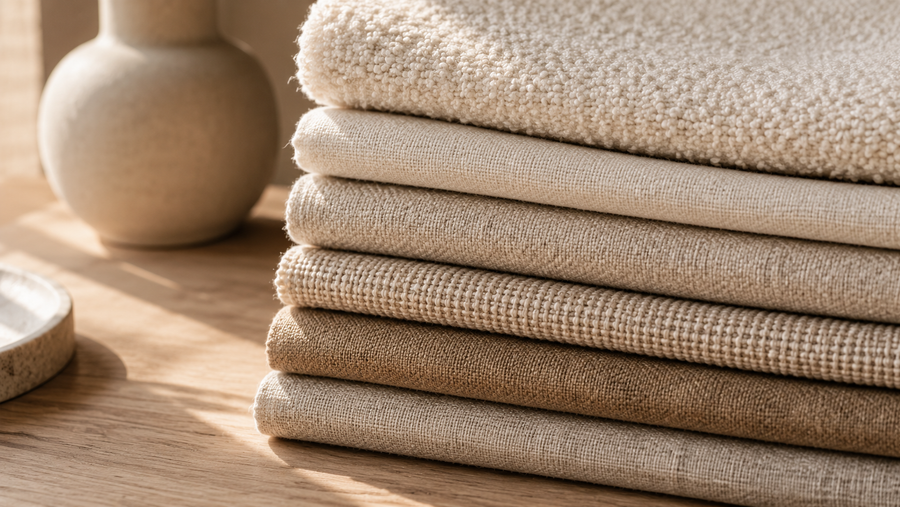
How to choose a sofa fabric that survives real life
The right sofa fabric balances three things: how it feels, how it looks after two years, and how much care you will honestly give it. Here is how we help clients choose.
Meera Nair ·
Guides
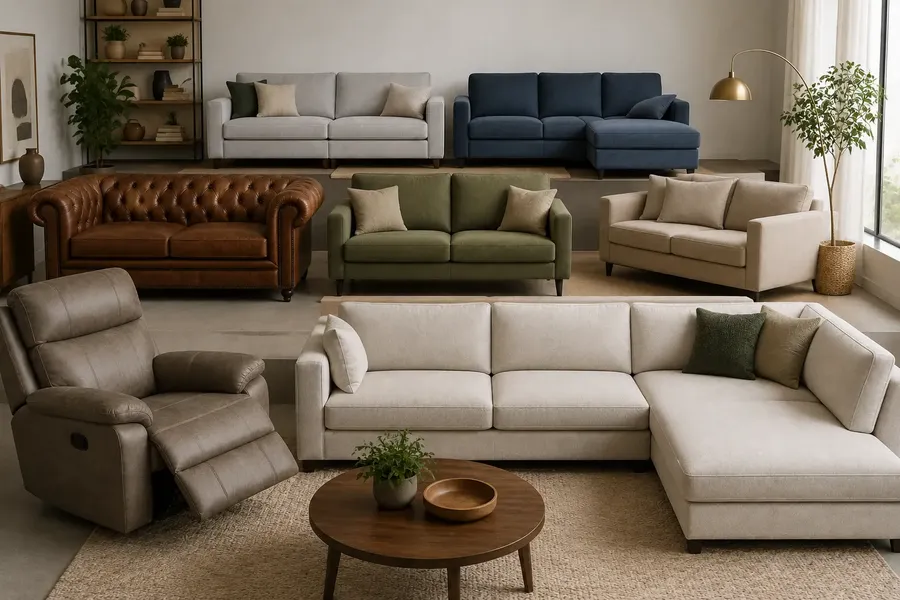
Types of Sofas: A Complete Guide to Choosing the Right One
Most sofa shopping goes wrong before it even starts — people pick a style before checking whether it fits the room. This guide breaks down every major sofa type, what each is actually built for, and how to match one to your home instead of the other way around.
Meera Nair ·
Guides
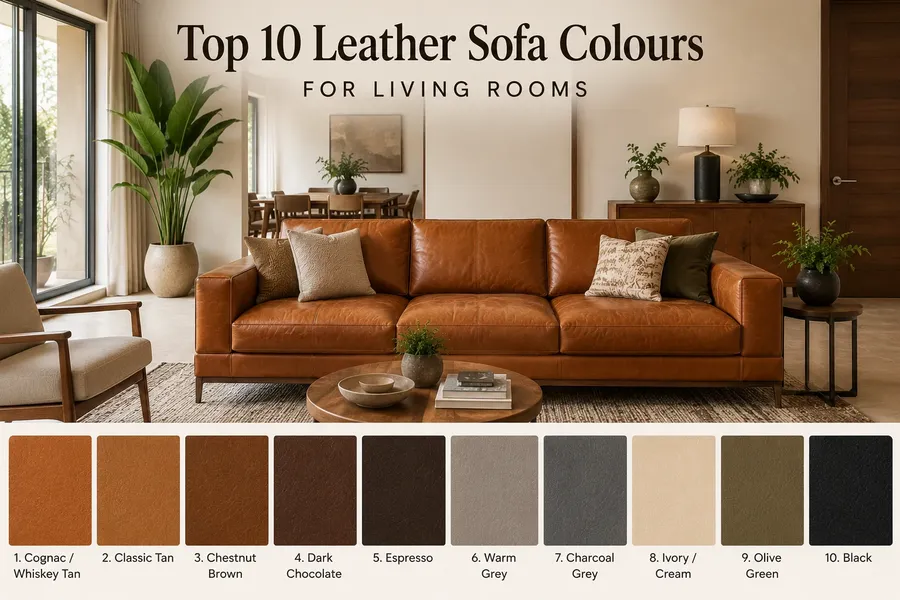
Top 10 Leather Sofa Colours for Living Rooms — And How to Actually Choose One
10 leather sofa colours ranked for Bangalore homes, covering maintenance, kids and pets, lighting, flooring, and long-term style, so you can choose a shade that still works in a year.
Meera Nair ·
Thinking about a custom piece?
We design and craft furniture around your space, style and story.